Cybersecurity and Data Breaches: What You Need to Know in 2025 In an increasingly digital world, cybersecurity is no longer optional—it’s essential. From multinational corporations to local businesses and individual users, data protection is at the heart of every secure digital interaction. As the volume and value of data grow, so does the risk of data breaches and data leaks. These incidents can result in financial losses, legal consequences, and severe damage to reputation.
This article explores what cybersecurity is, the impact of data breaches, the difference between a data breach and data leak, and highlights the leading software providers helping companies stay protected.
What is Cybersecurity? Cybersecurity refers to the practice of protecting networks, devices, and data from unauthorized access or criminal use. It encompasses a wide range of technologies, processes, and practices designed to guard against cyber threats such as:
Malware and viruses
Phishing attacks
Ransomware
Zero-day exploits
Internal threats
The ultimate goal of cybersecurity is to maintain the confidentiality, integrity, and availability of data.
What is a Data Breach? A data breach occurs when sensitive, confidential, or protected data is accessed or disclosed without authorization. This can happen due to:
Weak passwords
Phishing schemes
Insider threats
Vulnerabilities in software or systems
Third-party vendor compromises
When cybercriminals get their hands on customer data like names, credit card numbers, or social security numbers, they can use this information for identity theft, fraud, or blackmail.
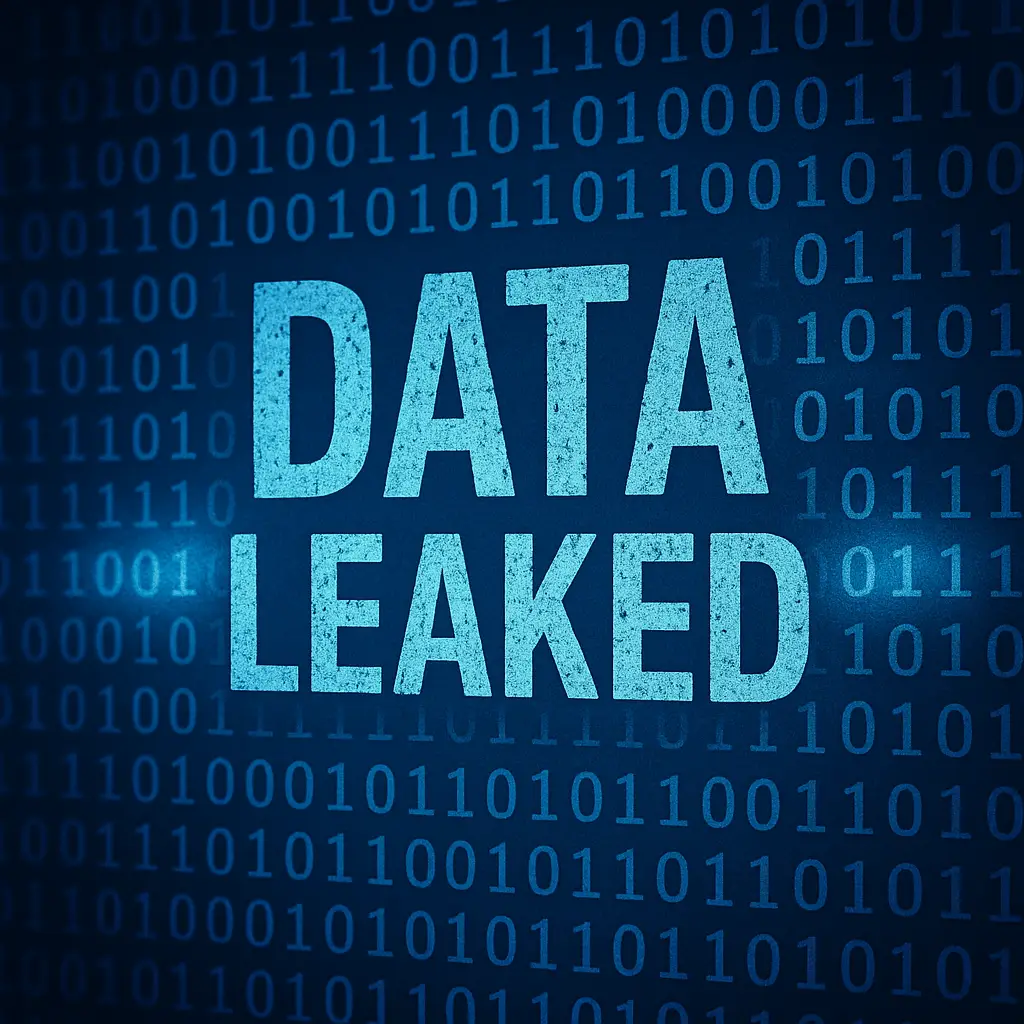
What is a Data Leak? Unlike a data breach, a data leak is usually accidental and not necessarily caused by a hacker. It refers to the unintentional exposure of data, often due to poor configuration, outdated software, or human error.
Common causes of data leaks include:
Misconfigured cloud storage (like Amazon S3 buckets)
Sending information to the wrong email address
Improperly discarded hardware
Weak encryption standards
Both breaches and leaks can have serious consequences, but the key difference lies in intent and source.
Major Consequences of Data Breaches The cost of a data breach goes beyond dollars. Here are some of the most common consequences businesses face:
- Financial Loss According to IBM’s Cost of a Data Breach Report 2024, the global average cost of a breach is $4.45 million. This includes legal fees, regulatory fines, customer loss, and system restoration.
- Reputational Damage Customers lose trust in companies that can’t keep their data safe. One mistake can lead to lasting brand damage, especially in industries like finance or healthcare.
- Legal and Regulatory Penalties With laws such as GDPR (Europe) and CCPA (California), companies must notify authorities and users quickly after a breach. Non-compliance can result in huge fines.
- Business Disruption Data breaches often lead to operational downtime, which affects productivity and revenue. Ransomware attacks, in particular, can lock down entire systems.
Real-Life Examples of Data Breaches Here are some high-profile examples that highlight the seriousness of poor cybersecurity:
Facebook (Meta): In 2021, data of over 530 million users was leaked, including phone numbers and email addresses.
T-Mobile: In 2023, over 37 million accounts were breached, including customer names, addresses, and birth dates.
Equifax: One of the biggest breaches in history, affecting 147 million Americans in 2017, costing the company over $700 million in settlements.
Best Cybersecurity Practices to Avoid Breaches To minimize the risk of a data breach or leak, businesses must follow these cybersecurity best practices:
Use multi-factor authentication (MFA)
Encrypt all sensitive data
Update and patch systems regularly
Educate employees about phishing and social engineering
Limit access to data on a need-to-know basis
Perform regular security audits and vulnerability scans
Top Cybersecurity Software Providers in 2025 Numerous companies provide powerful software to detect, prevent, and respond to cyber threats. Here are some of the leading cybersecurity software providers in the world today:
- CrowdStrike CrowdStrike offers a cloud-native platform called Falcon, which delivers real-time endpoint protection using AI-powered threat detection. It’s ideal for medium to large enterprises and offers features such as:
Threat intelligence
EDR (Endpoint Detection and Response)
Identity protection
- Palo Alto Networks A leader in firewall protection and threat intelligence, Palo Alto Networks offers Cortex XDR and Prisma Cloud, which provide unified protection across endpoints, networks, and cloud environments.
- McAfee McAfee provides solutions for individuals and enterprises. Their Total Protection software helps prevent viruses, phishing, and identity theft while also offering a secure VPN.
- NortonLifeLock Best known for consumer-level antivirus and identity theft protection, Norton also offers small business solutions with features like:
Dark web monitoring
Cloud backup
Device security
- Trend Micro Trend Micro’s XDR platform gives full visibility across emails, endpoints, and cloud systems. They use machine learning and behavioral analytics to detect advanced threats early.
- Bitdefender Bitdefender is widely praised for its high detection rates. It offers advanced threat defense, anti-exploit technologies, and network threat prevention for home users and businesses.
- IBM Security With products like QRadar and Guardium, IBM focuses on threat detection and compliance. Their solutions are especially popular among large enterprises needing robust SIEM and threat analytics.
- Fortinet Fortinet provides integrated cybersecurity tools, including the popular FortiGate firewall. It’s known for high-performance security across hybrid and multi-cloud environments.
How to Choose the Right Cybersecurity Software When selecting a cybersecurity solution, consider the following factors:
Scalability: Can the software grow with your business?
Cloud compatibility: Does it support cloud or hybrid environments?
Ease of use: Is it user-friendly or does it require dedicated staff?
Compliance support: Does it help you meet GDPR, HIPAA, or CCPA regulations?
Customer support: Reliable 24/7 support is critical in case of an attack.
Future of Cybersecurity With the rise of AI, IoT, and quantum computing, cyber threats are becoming more complex. Here are a few trends shaping the future of cybersecurity:
AI-Driven Attacks: Hackers are using AI to create sophisticated phishing campaigns and malware.
Zero Trust Architecture: The “never trust, always verify” model is becoming the standard for enterprise security.
Cyber Insurance: As breaches grow more costly, more companies are investing in policies to reduce financial risk.
Security-as-a-Service (SECaaS): Outsourcing cybersecurity to managed service providers is becoming increasingly popular for small businesses.
Conclusion Cybersecurity is a critical investment for any organization in 2025. With threats evolving daily and data breaches becoming more common, protecting sensitive data must be a top priority. By following best practices and leveraging trusted cybersecurity software from companies like CrowdStrike, Palo Alto, or Bitdefender, businesses can significantly reduce their risk of falling victim to a breach or data leak.
Investing in cybersecurity today not only protects your data—it secures your future.